







8 min read

Does the Size of a Radiology Practice Matter?

Back to Blog
Does the Size of a Radiology Practice Matter?
14:58

Radiologists who are looking to change practices frequently describe the same experiences: tied to the chair, no time to take a break, reading faster than feels safe. Leaving at seven when it used to be five.

What stops many of them from moving to a national practice is the fear that a large one would be worse—more volume, less control over it, and a radiologist who becomes interchangeable.

The reality is, practice size offers many advantages to the individual radiologist. Large practices can:

  • Absorb volume fluctuations due to seasonality or if a radiologist gets sick or leaves.
  • Withstand major client changes such as adding or losing a contract.
  • Offer more support to their radiologists.

Let's dive into each of these issues a little deeper.

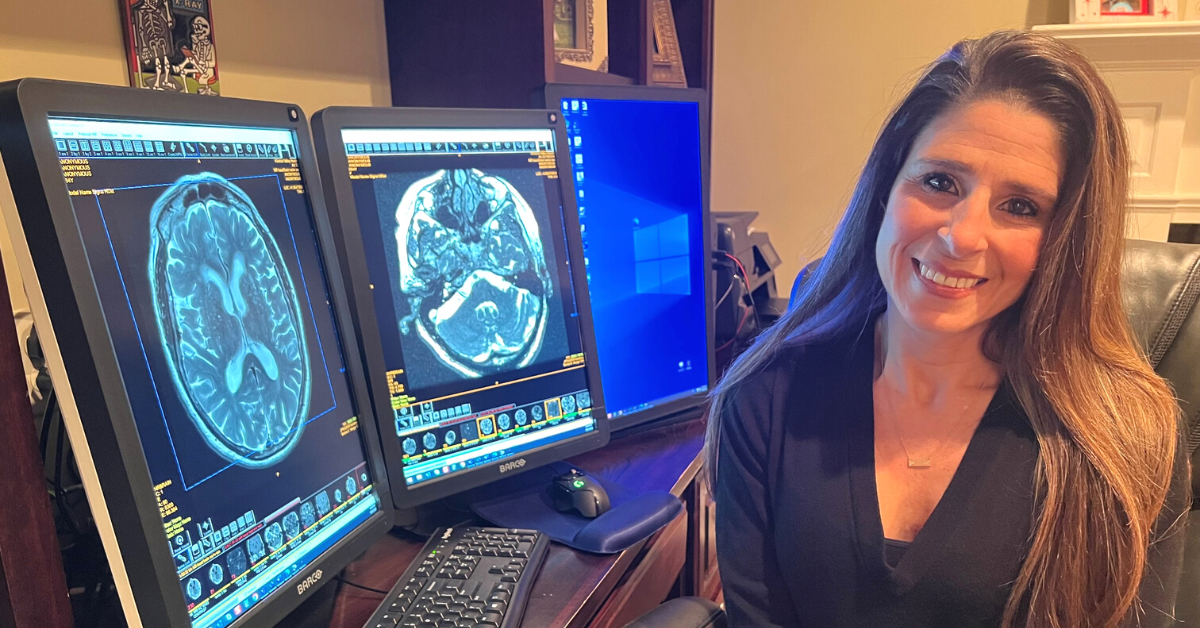
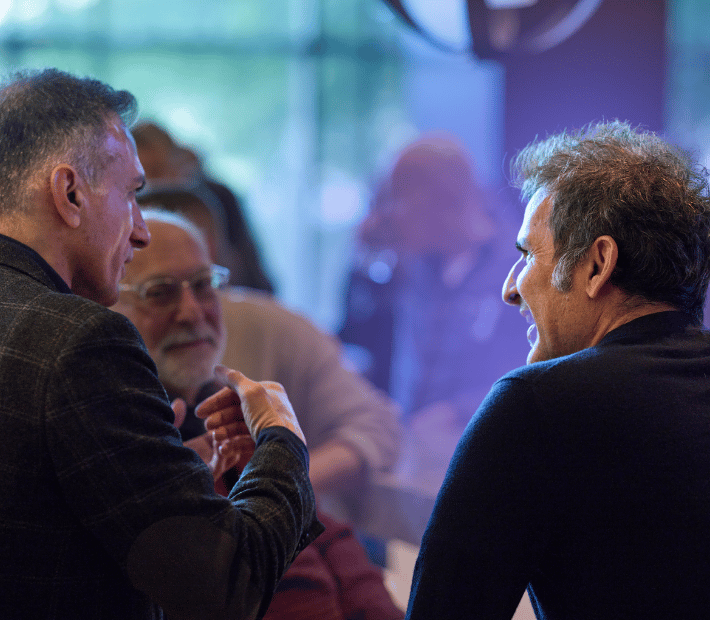
In the video below, four of my colleagues describe what that difference looked like for them. Listen to Drs. Klein, Fullmer, Ardakani and Nanigian speak to their experience on these issues.


Large practices are better able to absorb volume fluctuations

When we recorded the first episode of our podcast, Radiology at Capacity, in 2025, I shared an analogy I have used for years.

Many groups have committed to a fixed volume of imaging, say, through a hospital contract. It essentially equates to a pie they have cut into equal pieces, giving every partner an exactly equal-sized piece.

Unfortunately, the imaging volume is fixed by contract. The number of radiologists is not. So, when someone leaves, the commitment doesn't shrink—it gets divided among fewer people.

Dr. Scott Baginski, who leads radiologist management at vRad, joined me on that episode and explained it well:

"I think the average group size is nine people. So if you have one radiologist leave a group, that puts a lot of pressure on the other eight radiologists who now have to pick up that weight. And that just kind of spirals. You have that keystone radiologist leave, and then you have another radiologist leave. And before you know it, the entire group dissolves. I've seen that happen multiple times over the past few years."

Nothing about that is a failure of effort or goodwill. It's just an unfortunate reality of the math for smaller groups.

How a shared worklist shifts workload away from the individual radiologist

At vRad, no case is ever assigned to one radiologist alone. A surge doesn’t become any individual’s surge, and when a shift ends, nothing sits waiting under one radiologist’s name.

Here is how that works. Each radiologist has their own worklist, built from what they are licensed and privileged to read, plus their current workload. What makes it a shared worklist is that it's all connected in the background. Any given case sits on several radiologists’ worklists at once, until one of them picks it up—then it is dropped from the others. 

Dr. Baginski described it this way:

"You can either have a certain number of studies assigned just to the radiologist, and then they drown in it. Or you can share that work list across the practice, and let everybody work at their own pace and everybody chips away at it... You want the queue pressure to be felt by the system, not by the individual radiologist."

It changes who gets which cases, too. When no one owns a list, high-value cases can’t be skimmed off the top and difficult cases don’t get left for someone else.

None of this is recent. vRad built its own worklist, prioritized by patient urgency, in the early 2000s, because commercial software could not handle facilities and radiologists in separate locations. Native AI image detection was added in 2015 to enhance prioritization.

So what decides which case comes next? Priority is set by many factors, including:

  • Ordered urgency

  • Trauma and stroke protocols

  • Patient location — inpatient, outpatient or ER

  • Exam type, and how likely it is to produce a potentially critical finding

  • Native AI image evaluation

  • Manual escalation through the Operations Center

The AI worklist page of our website covers the mechanism in greater detail.

Large practices can withstand major client changes

If one client is a large share of a practice's volume, every radiologist in that practice is exposed to that client's decisions. If the hospital sells the contract out from underneath them, six months later those radiologists are looking for a job.

It really speaks to the stability of a larger practice. You always hate to lose a client site, but if you have a hundred of them, the impact isn't generally going to be felt by the individual radiologist.

vRad reads for 1,600 facilities, and has practiced teleradiology for twenty-five years. We recently interviewed one of our radiologists, Jerry Klein, MD, and he spoke to the stability this offers.

"vRad's been around for over twenty years. It's been a great company. It's been a solid company. As opposed to other companies—they pop up, they have people, they lose contracts, they get contracts. I like being part of a stable company."
Jerry Klein, MD | vRad Radiologist Since 2017


Large practices can offer more support to their radiologists

Chasing clinical history, getting an ordering physician on the line, resolving technical problems that stop you from reading. In many practices all of this non-clinical work lands on the radiologist.

This is an area where practices trying to offer remote reading often run into trouble: supporting the hardware, the software, and the myriad other IT challenges.

At vRad clinical support sits with the Operations Center, vRad's 24/7/365 U.S.-based team, alongside built-in peer consults and technical support.

Clinical support is also the piece vRad radiologists' rate most highly. In the 2026 survey, the statement that vRad's support structure helps radiologists provide better patient care drew 99% favorable responses from the 331 respondents. This response landed in the 98th percentile against the external benchmark—higher than any other item measured.


Side by side: a smaller group and a large practice

Six things happen in every radiology practice. In a smaller group they land on the radiologist. In a large one they can land on the practice.

  A smaller private group vRad
When imaging volume spikes The radiologists on shift read more, or stay later Distributed across the others on shift — 30+ by day, 100+ overnight
When a radiologist leaves The radiologists who stay absorb the work The work spreads across a practice of 500+ radiologists
When a shift ends with cases open Clearing the list before leaving is expected Nothing on your worklist is yours alone to clear
When the practice loses a contract Sometimes small groups don't survive One of 1,600 facilities; the practice remains stable
When a critical finding needs communicating The radiologist calls, and does the chasing The radiologist hits a button and keeps reading; the The vRad Platform and/or Operations Center gets the physician on the line, then connects them
When a subspecialist is needed on a hard case Get help from whoever is on call, if anyone In just a few clicks, built into The vRad Platform, connect with subspecialist colleagues to discuss a case anytime


One thing the table cannot show is the fear that often keeps people in a group they have outgrown. vRad radiologist Dr. Dan Fullmer named it:

"Rather than getting lost in the crowd, which is what I feared, it's been just the opposite. People have been very helpful and collaborative and have helped me to feel like I'm part of the team."
Dan Fullmer, MD | vRad Radiologist Since 2025

Dr. Navid Ardakani describes the same thing from the other side:

"It doesn't feel big, because so much of the interaction is one-to-one."
Navid Ardakani, MD | vRad Radiologist Since 2016

And Dr. Danielle Nanigian came at it as evidence:

"I enjoy strength in numbers... Five hundred radiologists can't be wrong, to be in this practice. There has to be something that's really working, to have that many and to have such a high retention rate."
Danielle Nanigian, MD | vRad Radiologist Since 2024

Her instinct is widely shared. In vRad's 2026 Radiologist Engagement Survey, 92% of the 331 respondents agreed that vRad is doing a good job retaining radiologists—1.35 points above the external benchmark and in the top percentile against it, up 0.38 points since 2024. The share who had considered leaving fell to 15.5%, down from 24%.


What to ask a teleradiology practice before joining

These questions separate a practice that has built a stable model from one that just has the headcount:

  • When imaging volume spikes on a shift, what happens?
  • Are you responsible for clearing the worklist before you log off?
  • What share of the practice's volume comes from its largest client?
  • When a critical finding needs communicating, what support is available?
  • How many radiologists left last year, and how does the practice compare that to previous years?
  • How long has the practice operated?

vRad has been a practice since 2001, which answers the last one. The rest are worth asking of vRad too.


Frequently asked questions about practice size

Is a larger radiology practice better than a smaller one?

A larger practice is better when it uses its scale to the radiologist's advantage. Things that make a difference: volume shared across the practice rather than assigned to individuals, enough clients that losing one changes little, and an in-house clinical support team. vRad is built on all three.

What happens when imaging volume spikes at a large radiology practice?

At vRad, the practice absorbs it. Cases are shared across the practice rather than assigned to individuals, so a spike is routed across the practice. In a practice that assigns lists to individuals, the radiologists on shift absorb it instead, by reading more, faster, or staying later.

What happens to a radiology group when one radiologist leaves?

In a small practice, the radiologists who stay absorb the work. A practice's volume commitment does not shrink when its headcount does. vRad, with 500+ radiologists, is in a much better position to absorb this without the burden falling on the remaining radiologists.

Do radiologists have to stay on until the worklist is cleared?

At vRad, when your shift is done, you're done. There is no list to clear, because no case is ever assigned to one radiologist alone. A case is available to several radiologists at once, so anything left unread is already on other radiologists' worklists. In practices that assign lists to individuals, clearing that list before leaving is frequently expected.

What happens to a radiologist's workload if the practice loses a client?

The impact of losing a radiology client depends on how much of the practice's volume that client represented. Radiologists who staff a single hospital can lose the work entirely when that contract is sold, and some practices dissolve completely. vRad reads for 1,600 facilities, so losing one does not change any individual radiologist's volume acutely.

How stable are remote radiology jobs?

The stability of remote radiology jobs depends on the practice, not on the work being remote. Stable practices generally have operated through more than one downturn, draw volume from many clients rather than a few, have low attrition, and do not depend on a single contract. vRad has practiced teleradiology since 2001, across the country, and has read for more than 118 million patients. 

Are radiologists' voices heard in a large practice?

At vRad, radiologists shape the practice, through their relationship with medical leadership rather than a partners' vote. 94% of 331 vRad survey respondents say their suggestions are seriously considered, the top percentile against the external benchmark.

If you'd like to explore what vRad might offer you, get in touch with a recruiter for a commitment-free conversation.

Back to Blog
10 Reasons I’m a vRad Lifer

10 Reasons I’m a vRad Lifer

I joined vRad in 2009 and today I still consider their approach to teleradiology and its lifestyle opportunities the best way to practice radiology.

Read More
Being a Teleradiologist Was a Nightmare at First, but Now It’s My Dream Job

Being a Teleradiologist Was a Nightmare at First, but Now It’s My Dream Job

Must ask questions and what to look for before practicing teleradiology from a radiologist whose first experience left her feeling stranded on an...

Read More
Leaving My Hospital Radiology Practice Helped Me Rediscover the Joy of Medicine

Leaving My Hospital Radiology Practice Helped Me Rediscover the Joy of Medicine

Dr. Bartel shares why she chose the very difficult decision to say “I quit” to a practice she built and loved. And why she hopes her story might help...

Read More